
What Is Neurofeedback Therapy and How Does It Work?
Home | Brain Health Blog & Resources | What is Neurofeedback Therapy?
Your brain is constantly responding to the world around you, adjusting its activity as you concentrate, relax, learn, and process emotions. Although much of this activity happens outside your conscious awareness, modern technology makes it possible to observe certain brainwave patterns as they occur. Neurofeedback uses this information to create a unique form of training that encourages your brain to practice regulating its own activity.
Neurofeedback therapy is a non-invasive, medication-free approach that measures brainwave activity and provides real-time feedback to support self-regulation. Through repeated sessions, your brain receives information about its electrical activity and has opportunities to practice specific patterns associated with your individual goals.
People explore neurofeedback for many reasons, including attention difficulties, stress regulation, sleep quality, emotional balance, and cognitive performance. While scientific research into its effectiveness continues, understanding what neurofeedback therapy is and how it works can help you make an informed decision about whether this approach aligns with your brain wellness goals.
What Is Neurofeedback Therapy?
Neurofeedback therapy, sometimes called EEG biofeedback or brainwave training, is a technique that uses technology to monitor electrical activity in your brain and provide feedback about selected patterns. The approach is based on the principle that your brain can learn through repeated experiences, particularly when it receives immediate information about its activity.
Throughout the day, billions of nerve cells communicate through electrical and chemical signals, creating constantly changing patterns of brain activity. These patterns reflect complex processes involved in attention, awareness, movement, and other functions. Neurofeedback technology detects aspects of this electrical activity and translates the information into signals you can see or hear, such as changes in a video, music, or computer game.
During a session, the feedback responds to your measured brain activity, providing opportunities to practice patterns selected by the practitioner. For example, a video might become brighter when your brain activity meets a particular training target, while a change in the signal causes the screen to dim. Over time, this repeated feedback may support your ability to regulate certain aspects of brain activity, although individual learning and outcomes vary.
Unlike approaches that introduce electrical stimulation, conventional EEG neurofeedback records signals produced by your brain without sending electrical currents into it. The process is designed to encourage learning through feedback rather than directly changing brain activity with an external stimulus.
How Does Neurofeedback Therapy Work?
Neurofeedback works by combining EEG brainwave monitoring with a learning process called operant conditioning. This involves providing immediate feedback when measured activity moves toward a selected training target, allowing the brain to develop an association between its activity and the feedback it receives. Repeated practice is intended to strengthen the ability to produce and regulate these patterns.
The underlying process becomes easier to understand when you consider how people learn physical skills. When you're learning to maintain your balance, information from your senses helps you make adjustments until your movements become more coordinated. Neurofeedback applies a similar feedback principle to selected aspects of brain activity, although the learning process is more complex and doesn't necessarily involve conscious control.
1. Measuring Your Brain's Electrical Activity
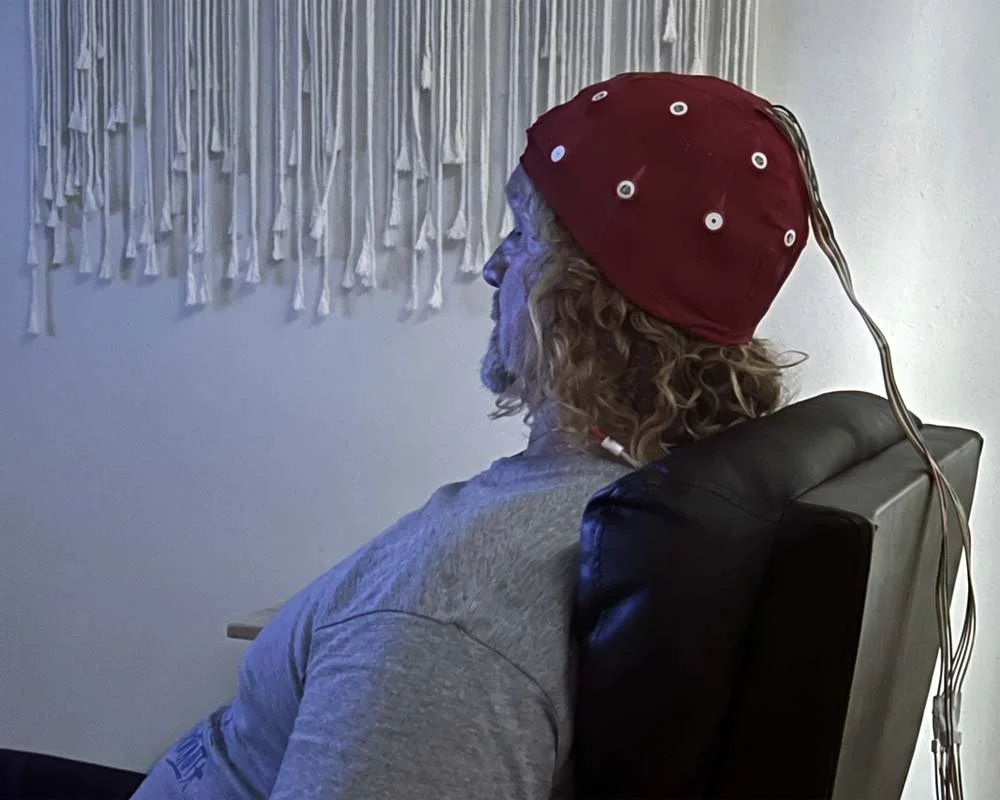
A typical neurofeedback session begins with small sensors placed on specific areas of your scalp. These sensors use electroencephalography, or EEG, to record electrical signals associated with brain activity. The technology measures activity at the scalp and cannot read thoughts, identify personal memories, or directly observe every process happening inside your brain.
Because EEG signals change throughout the session, specialized software continuously processes the measurements and identifies activity related to the selected training protocol. This allows the feedback to respond as your brain activity changes, creating a connection between the measured signals and the training experience.
2. Establishing Personalized Training Goals
Before beginning neurofeedback, a practitioner typically reviews your concerns, daily experiences, and personal goals to determine which training approach may be appropriate. Someone seeking support for concentration may have different priorities from someone interested in relaxation, stress resilience, or sleep quality.
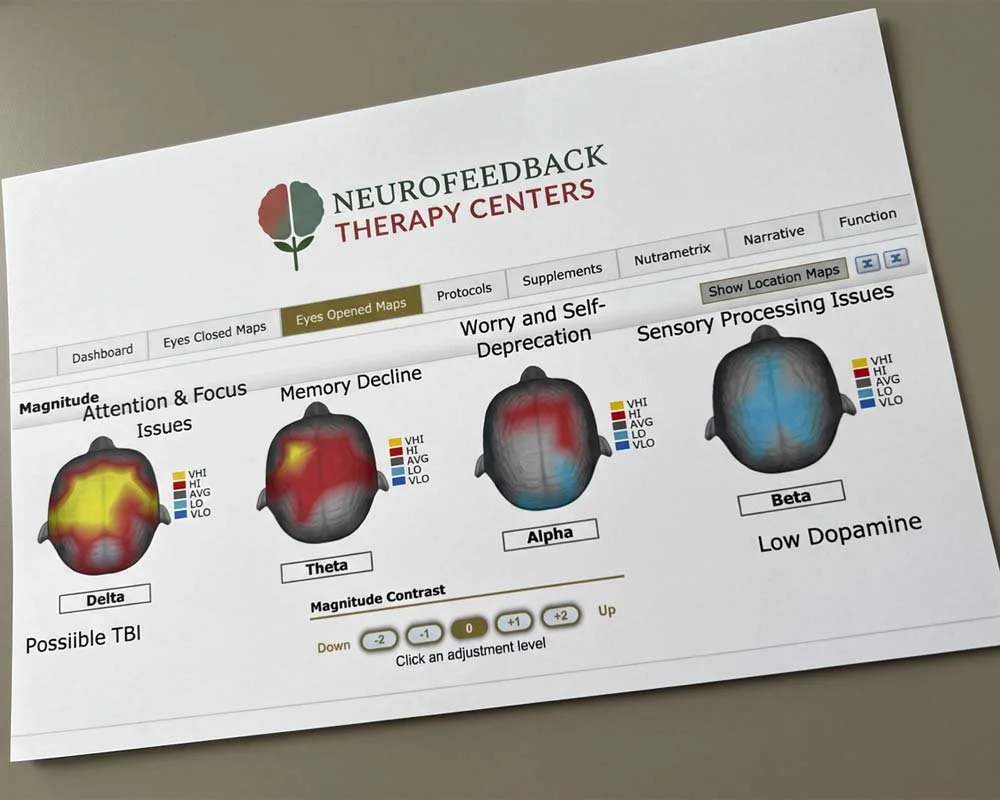
Some practitioners also use qEEG brain mapping to gather additional information about brainwave patterns before selecting a protocol. Although qEEG can provide useful measurements for planning and discussion, it does not independently diagnose ADHD, anxiety, depression, or other medical conditions.
3. Receiving Real-Time Brainwave Feedback
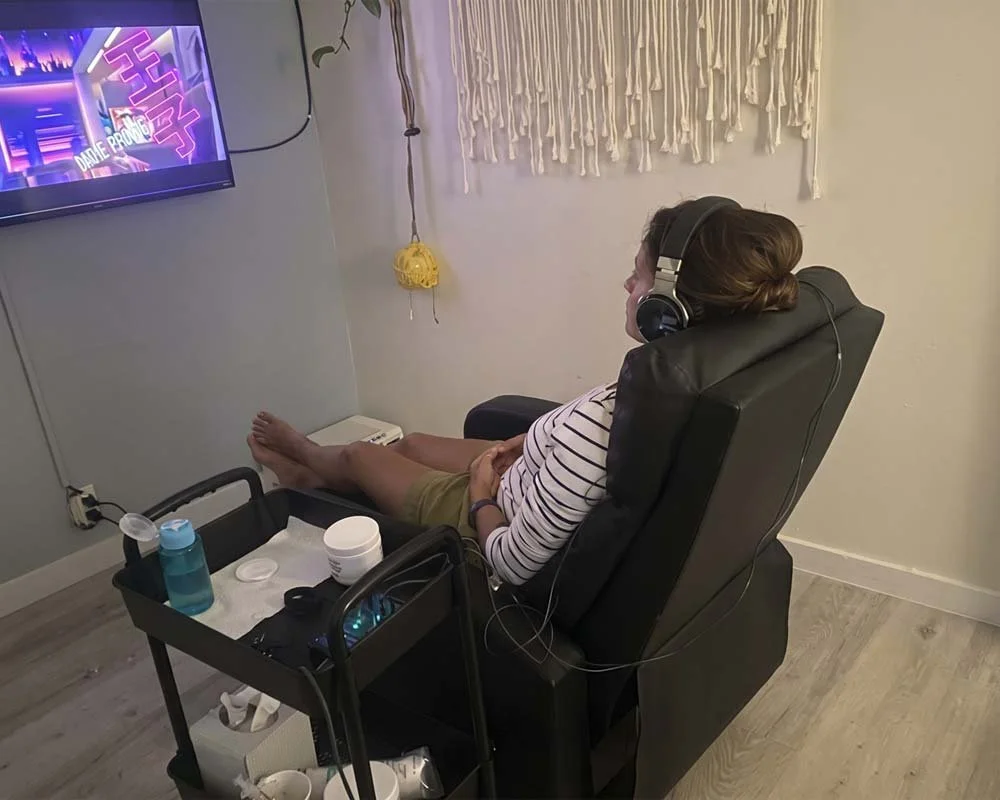
Once training begins, you might watch a video, listen to music, or participate in a computer-based activity while the software monitors your brainwave signals. The feedback changes according to whether the measured activity meets the training criteria, creating a repeated learning experience.
For example, music may continue playing when a selected activity pattern falls within the desired range, while the volume decreases when the signal changes. These responses help communicate information about brain activity that would otherwise remain outside your awareness.
4. Practicing Brain Self-Regulation
As training continues, your brain repeatedly encounters feedback associated with particular activity patterns. This process is intended to support learning through repetition, encouraging greater familiarity with the patterns being practiced.
Importantly, you generally don't need to force yourself to concentrate, relax, or produce a specific brainwave. The feedback system is designed to make the training process possible without requiring you to consciously interpret the EEG measurements. However, researchers are still investigating how consistently this learning occurs and how well it translates into everyday functioning.
5. Building Skills Through Repeated Sessions
Neurofeedback is typically delivered over multiple appointments because learning new patterns usually requires repeated practice. Practitioners may adjust training targets, sensor placement, or session structure based on the protocol and your response.
Progress can look different for each person, and improvements in measured brainwave activity don't automatically mean that everyday symptoms or performance will change. Tracking your real-world goals alongside training measurements helps provide a more meaningful picture of your experience.
To explore the training process in greater detail, visit our guide explaining how neurofeedback therapy works.
Understanding Brainwaves and Their Role in Neurofeedback
Brainwaves are patterns of electrical activity that scientists measure using electroencephalography (EEG). These patterns contain rhythms with different frequencies, measured in hertz (Hz), which describe how frequently electrical signals oscillate each second. Your brain produces multiple rhythms simultaneously, and their characteristics change depending on whether you're concentrating, relaxing, learning, or sleeping.
Neurofeedback protocols may focus on particular frequencies or combinations of brainwave signals, depending on the goals of the training. However, no single brainwave frequency determines whether someone is focused, relaxed, emotionally balanced, or functioning well. Brain activity is complex, and meaningful interpretation requires understanding how different patterns interact and change across situations.
Common Types of Brainwaves
Scientists commonly group brainwave activity into five frequency categories. Each reflects different aspects of brain function, although these categories overlap and don't represent fixed mental or emotional states.
- Delta waves (approximately 0.5–4 Hz): These slower rhythms are commonly associated with deep, non-REM sleep and important processes involved in physical restoration. Delta activity can also appear in other circumstances, so its meaning depends on when and where it occurs.
- Theta waves (approximately 4–8 Hz): Theta activity is often observed during drowsiness, certain memory processes, and transitions between wakefulness and sleep. Researchers also study its involvement in attention, learning, and memory.
- Alpha waves (approximately 8–13 Hz): Alpha rhythms are frequently associated with relaxed wakefulness, particularly when your eyes are closed. Their activity changes with visual attention and other cognitive processes.
- Beta waves (approximately 13–30 Hz): Beta activity is commonly observed during waking activities, including active thinking, attention, and movement. Different beta patterns can reflect different neural processes depending on the circumstances.
- Gamma waves (approximately 30 Hz and above): These higher-frequency rhythms are studied in relation to sensory processing, perception, and communication across neural networks. Researchers continue exploring their role in complex cognitive functions.
Understanding these brainwave categories provides a useful foundation for learning about neurofeedback, but it is important to avoid labeling individual frequencies as universally good or bad. Healthy brain function involves flexibility, with electrical activity changing as you move between different tasks, environments, and states of awareness.
What Is the Connection Between Neurofeedback and Neuroplasticity?
Neuroplasticity refers to your brain's ability to adapt through experience, learning, and changes in its connections and activity. This adaptability helps you develop new skills, strengthen familiar abilities, and respond to changing circumstances throughout your life. Although neuroplasticity is often associated with childhood development, the adult brain also retains an important capacity to learn and adjust over time.
Neurofeedback draws on principles of learning and neuroplasticity by creating repeated experiences in which selected brain activity is paired with immediate feedback. As your brain encounters these signals, the training process is intended to encourage greater familiarity with particular patterns of electrical activity. The underlying concept resembles other forms of skill development, where practice and feedback help reinforce learned responses.
However, neuroplasticity doesn't automatically guarantee that a particular neurofeedback protocol will produce lasting improvements. Scientists continue investigating which approaches lead to measurable learning, whether changes persist after training, and how effectively those changes translate into everyday functioning. This distinction matters because changes observed during a neurofeedback session don't necessarily indicate improvements in concentration, emotional balance, or other personal goals.
What Is qEEG Brain Mapping, and How Is It Different From Neurofeedback?
Although qEEG brain mapping and neurofeedback are closely related, they serve different purposes. Understanding the distinction can help you recognize why some practitioners use both technologies when developing individualized training protocols and evaluating patterns of brain activity.
Quantitative electroencephalography, or qEEG, is a method of analyzing recorded EEG signals using mathematical and statistical techniques. Depending on the assessment, specialized software may examine brainwave frequencies, activity across different scalp locations, and relationships between measured signals. Some systems also compare these patterns with reference databases, although interpreting the results requires appropriate expertise and consideration of individual circumstances.
Neurofeedback, by comparison, is an active learning process that uses information about brain activity to provide feedback during a session. While qEEG helps examine measurable characteristics of electrical activity, neurofeedback creates opportunities to practice regulating selected patterns through repeated feedback. The two approaches can complement one another, but they aren't interchangeable.
Not every neurofeedback program requires qEEG brain mapping, and research has not established that qEEG-guided protocols consistently produce better outcomes than other training approaches. Brain mapping is best understood as one potential source of information that may help guide personalized training decisions, rather than a diagnostic tool or guarantee of improvement.
What Are the Potential Benefits of Neurofeedback Therapy?
Neurofeedback has attracted growing interest because it offers a non-invasive, medication-free approach to exploring how the brain regulates its activity. People consider neurofeedback for different reasons, including improving concentration, managing everyday stress, supporting relaxation, and pursuing cognitive performance goals. Rather than addressing every concern in the same way, neurofeedback protocols may be selected according to individual brainwave measurements, personal goals, and the type of training being used.
The potential benefits of neurofeedback depend on several factors, including the specific protocol, the quality of training, and how each person responds. Although some studies have reported encouraging findings, research results differ across applications, and not every proposed benefit has been consistently demonstrated in controlled trials. Understanding these distinctions can help you approach neurofeedback with realistic expectations and make informed decisions about your brain wellness.
Focus, Attention, and Mental Clarity
Your ability to concentrate depends on several interacting brain processes that help you direct attention, filter distractions, and stay engaged with important tasks. When these processes work efficiently, you may find it easier to organize information, maintain mental effort, and move between activities without becoming overwhelmed. However, attention naturally fluctuates throughout the day based on sleep, stress, motivation, and other factors.
Certain neurofeedback protocols have been developed to explore whether training specific patterns of brain activity can support attention regulation and cognitive functioning. These approaches aim to help the brain practice aspects of self-regulation associated with maintaining focus, although improvements in training measurements don't necessarily translate into better concentration in everyday situations.
People interested in concentration and mental performance may find neurofeedback appealing because it emphasizes learning through feedback rather than medication or invasive procedures. As explored in our article on neurofeedback for adult focus and cognitive performance, brain self-regulation is an area of ongoing research involving attention and cognitive functioning. Nevertheless, scientific evidence for improving attention-related symptoms remains mixed, and neurofeedback should not replace established medical or behavioral care when those services are needed.
Stress Regulation and Emotional Balance
Stress influences how your brain and body respond to daily responsibilities, unexpected challenges, and demanding situations. When stress becomes persistent, you may notice changes in concentration, sleep quality, emotional responses, or your ability to relax. Developing healthier self-regulation skills can be an important part of maintaining emotional well-being and adapting to everyday pressures.
Some neurofeedback approaches focus on patterns of brain activity associated with relaxation, alertness, or emotional regulation. Through repeated feedback, these protocols aim to provide opportunities to practice selected activity patterns that may support a greater sense of balance. However, researchers are still determining whether these approaches consistently improve stress-related outcomes beyond the effects of general relaxation, expectations, or supportive training environments.
Neurofeedback may be one component of a broader wellness routine that includes physical activity, adequate sleep, mindfulness, and healthy stress-management habits. Anyone experiencing significant anxiety, depression, or other mental health concerns should also seek appropriate guidance from a qualified healthcare professional.
Sleep Quality and Relaxation
Healthy sleep depends on coordinated activity across multiple brain systems, along with consistent sleep habits, environmental conditions, and overall physical health. Your brain naturally changes its electrical activity as you transition from wakefulness into different sleep stages, making sleep an important area of interest in neurofeedback research.
Certain neurofeedback methods have been investigated for their potential to influence patterns associated with relaxation and sleep regulation. Some studies have reported improvements in sleep-related measures, but findings remain inconsistent, and researchers have not established which protocols reliably benefit people with persistent sleep difficulties.
For individuals interested in sleep wellness, neurofeedback may offer an opportunity to explore self-regulation alongside established sleep-supporting habits. Maintaining a consistent sleep schedule, limiting disruptive evening stimulation, and addressing underlying health concerns remain important parts of supporting restorative sleep.
Cognitive Performance and Brain Wellness
Brain wellness involves more than the absence of medical or neurological conditions. It also includes the everyday abilities that help you think clearly, process information, adapt to challenges, and remain mentally engaged. These functions depend on complex interactions between brain networks, physical health, lifestyle habits, and your environment.
Neurofeedback has attracted interest from individuals seeking to support cognitive performance, learning, and mental flexibility. Training programs may focus on attention-related activity or other measurable brainwave patterns selected according to a person's goals. Researchers continue investigating whether these changes can contribute to meaningful improvements in performance outside the training environment.
While some studies suggest potential benefits for particular cognitive tasks, evidence remains limited and varies across training methods. Improvements observed during a neurofeedback session should therefore be evaluated alongside everyday functioning, rather than treated as proof of enhanced memory, productivity, or overall brain performance.
If you're interested in learning more about the different wellness and performance goals associated with neurofeedback, explore what neurofeedback therapy may support.
What Does Scientific Research Say About Neurofeedback?
Neurofeedback has been studied for decades, with researchers investigating its potential applications for attention, emotional regulation, sleep, and cognitive performance. The scientific interest comes from its ability to measure brain activity and provide immediate feedback, creating opportunities to study how the brain learns to regulate certain electrical patterns. Although some research has produced encouraging findings, the evidence varies considerably depending on the training method, population, and outcomes being measured.
One challenge in evaluating neurofeedback is that researchers use different technologies, training protocols, and methods for measuring improvement. Some studies rely on participants reporting changes in how they feel, while others use standardized assessments or objective performance measurements. These differences matter because improvements may reflect several influences, including expectations, repeated practice, practitioner support, or the specific feedback being delivered.
What Research Reveals About Neurofeedback and ADHD
Attention-deficit/hyperactivity disorder (ADHD) is one of the most extensively studied applications of neurofeedback. Researchers have investigated whether training selected brainwave patterns can improve attention, impulse regulation, and other difficulties associated with ADHD. Earlier studies reported some positive findings, particularly when parents or participants evaluated changes in symptoms, but results have been less consistent when researchers use assessments designed to reduce potential bias.
A systematic review and meta-analysis published in JAMA Psychiatry in 2025 examined 38 randomized clinical trials involving 2,472 participants. The researchers found no meaningful overall improvement in core ADHD symptoms when using assessments designed to reduce reporting bias. However, analyses involving established neurofeedback protocols found small positive effects, while a separate analysis identified a modest improvement in processing speed. These findings suggest that specific applications deserve further investigation.
The National Institutes of Health (NIH) also describes the evidence for neurofeedback and ADHD as mixed. Its review highlights differences in EEG equipment, training intensity, research methods, and how outcomes are reported. These findings emphasize the importance of considering neurofeedback as a supportive or investigational approach rather than a proven replacement for established ADHD treatment.
What About Stress, Sleep, and Cognitive Performance?
Beyond ADHD, researchers have explored neurofeedback for relaxation, emotional regulation, sleep quality, memory, and other aspects of cognitive functioning. Some smaller studies have reported improvements in particular measurements or participant experiences, but differences between protocols make it difficult to determine which findings apply more broadly. Many areas still need larger, carefully controlled studies that evaluate whether improvements persist after training ends.
Another important question is whether changes observed during neurofeedback translate into meaningful improvements in everyday life. Learning to produce a particular EEG pattern during a session doesn't automatically establish that someone will concentrate better at work, sleep more comfortably, or manage stress more effectively. Researchers increasingly recognize the importance of measuring real-world outcomes alongside changes in brainwave activity.
Understanding the Potential and Limitations of Neurofeedback
The scientific foundation of neurofeedback includes measurable brain activity, established learning principles, and the brain's ability to adapt through experience. However, these underlying principles don't establish that every neurofeedback method delivers the same benefits or that all reported improvements result directly from brainwave training.
Current research supports continued investigation into which protocols may be useful, how individuals respond differently, and what outcomes can be reliably achieved. For anyone considering neurofeedback, the most valuable approach is to maintain realistic expectations, understand the available evidence, and evaluate progress based on meaningful personal goals.
Is Neurofeedback Therapy Safe?
Neurofeedback therapy is a form of biofeedback generally considered non-invasive because it measures electrical activity through sensors placed on the scalp without delivering electrical stimulation to the brain. Unlike procedures that directly influence neural activity through electrical currents or magnetic pulses, conventional EEG neurofeedback simply records signals your brain naturally produces. This makes the experience comfortable for many participants, although safety considerations can vary depending on the technology, training protocol, and individual circumstances.
During a typical session, you remain seated while sensors monitor your brainwave activity and software provides feedback through visual or auditory signals. The sensors don't read your thoughts, alter your brain directly, or expose you to electrical stimulation. However, as with other forms of training that involve attention and sensory feedback, some participants may experience temporary discomfort or changes in how they feel during or after a session.
Are There Any Side Effects of Neurofeedback?
Although many people tolerate neurofeedback without significant discomfort, possible side effects and unwanted experiences deserve consideration. Reports have included temporary headaches, fatigue, frustration, changes in alertness, and occasional sleep disturbances. Research documenting these effects remains limited, making it difficult to establish how frequently they occur or whether they result directly from specific neurofeedback protocols.
Individual responses may depend on several factors, including session duration, the type of feedback used, personal sensitivity, and the training approach. If you notice discomfort or unexpected changes during a session, communicate with your practitioner so they can assess whether the protocol should be adjusted or discontinued. A responsible provider should explain potential risks, monitor your experience, and encourage realistic expectations throughout the process.
Who Should Speak With a Healthcare Professional Before Starting?
People with certain neurological or psychiatric conditions, including seizure disorders or significant mental health symptoms, should discuss neurofeedback with an appropriate healthcare professional before beginning a program. This is particularly important when symptoms require ongoing medical evaluation, specialized treatment, or medication management. Your healthcare provider can help determine whether neurofeedback is appropriate to explore alongside your existing care.
Neurofeedback should never replace necessary medical treatment, prescribed medication, psychotherapy, or other recommended healthcare services. Although the technology may support personal wellness and self-regulation goals, it is not a substitute for diagnosing or treating medical conditions. Choosing a knowledgeable practitioner who communicates openly about limitations, safety considerations, and training expectations is an important part of making an informed decision.
What Should You Expect During a Neurofeedback Session?
Your first neurofeedback appointment typically begins with a conversation about your goals, relevant health history, and everyday experiences. Depending on the provider's approach, an initial assessment may include EEG measurements or qEEG brain mapping to help guide the selection of a training protocol. This process allows the practitioner to understand your priorities and explain what you can realistically expect from neurofeedback.
During a session, small sensors are placed on your scalp to monitor electrical activity while you watch a video, listen to music, or participate in another feedback-based activity. The equipment responds to selected brainwave patterns, giving your brain opportunities to practice self-regulation without requiring conscious control over the signals. Sessions are generally comfortable and don't involve electrical stimulation.
How Long Does a Session Last, and How Many Are Needed?
A typical appointment lasts approximately 30 to 60 minutes, although the actual training time varies by protocol. Neurofeedback usually involves repeated sessions over several weeks or months, with some programs recommending approximately 20 to 40 appointments. However, there is no universally established number of sessions, and individual responses can differ considerably.
Throughout the program, your practitioner may review training measurements and discuss changes you've noticed in concentration, relaxation, sleep, or daily functioning. These conversations help evaluate whether the training remains appropriate for your goals, while recognizing that improvements aren't guaranteed.
Frequently Asked Questions About Neurofeedback Therapy
Does Neurofeedback Therapy Hurt?
Neurofeedback therapy is generally painless because EEG sensors rest on the surface of your scalp without delivering electrical stimulation. You may notice mild pressure from the sensors or some discomfort from the materials used to hold them in place, but the recording process itself is non-invasive. Most participants remain seated comfortably while watching a screen or listening to audio feedback.
Can You Do Neurofeedback Therapy at Home?
Some consumer devices offer home-based neurofeedback using portable EEG sensors and computer software. However, the quality of these systems, their training protocols, and the scientific evidence supporting them can vary significantly. Working with a knowledgeable practitioner may provide additional guidance when selecting appropriate training methods, interpreting measurements, and evaluating progress toward your goals.
Is Neurofeedback Therapy Suitable for Adults and Children?
Neurofeedback has been studied and used with both adults and children, although suitability depends on individual needs, developmental considerations, and the training approach. Adults may explore neurofeedback for concentration, stress regulation, sleep, or cognitive wellness, while parents sometimes investigate it for attention and self-regulation concerns. Because research findings differ across age groups and applications, professional guidance is particularly important when considering neurofeedback for children.
Are the Effects of Neurofeedback Therapy Permanent?
Researchers continue investigating whether changes associated with neurofeedback persist after training ends. Some studies have reported improvements that remain measurable during follow-up periods, but findings vary across protocols and populations. There is currently insufficient evidence to guarantee permanent changes in brain activity, symptoms, or everyday functioning.
Is Neurofeedback Therapy Scientifically Proven?
Neurofeedback uses established EEG technology and draws on recognized principles of learning and brain plasticity. However, its effectiveness for specific conditions and wellness goals remains an active area of research. Some studies have reported promising outcomes, while others have found limited or inconsistent benefits. The strongest approach is to evaluate claims according to the scientific evidence supporting each application rather than assuming every neurofeedback protocol produces the same results.
Understanding Neurofeedback Therapy Is the First Step
Understanding what neurofeedback therapy is and how it works can help you make informed decisions about your brain health and wellness. By combining EEG measurements with real-time feedback, neurofeedback offers a non-invasive way to explore brain self-regulation and the learning processes involved in adapting to new experiences. Although its potential benefits continue to be investigated, personalized goals, realistic expectations, and knowledgeable guidance remain important considerations.
At Neurofeedback Therapy Centers, we provide personalized neurofeedback training and qEEG brain mapping to support individual brain wellness goals. Whether you're interested in focus, emotional balance, sleep quality, or cognitive performance, learning about the available approaches can help you decide which next steps are right for you.
